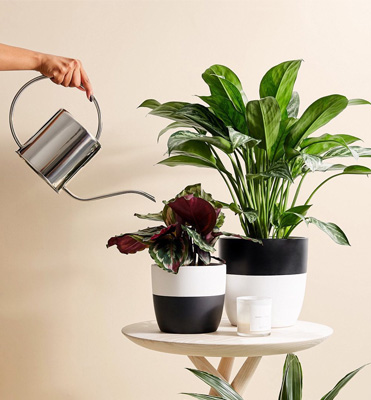
Plant care and maintenance
Spring (February to April)
Vegetables (Tomatoes, Cucumbers, Peppers, Eggplants, Okra, Spinach):
- Watering: Keep the soil consistently moist but not waterlogged.
- Fertilizing: Use a balanced fertilizer every 3-4 weeks to promote healthy growth.
- Support: Stake tomatoes and peppers as they grow to support their weight.
Herbs (Basil, Cilantro, Mint, Dill):
- Harvesting: Regularly pinch off flowers to encourage leaf growth, especially for basil and cilantro.
- Watering: Herbs generally prefer well-drained soil; water when the top inch of soil feels dry.
Fruits (Strawberries):
- Protection: Cover young plants if there’s a late spring frost threat.
- Mulching: Mulch around plants to keep soil cool and moist.
Summer (May to July)
Vegetables (Gourds, Chilies, Eggplants, Okra):
- Watering: Provide consistent watering; these plants require more water in the heat.
- Mulching: Mulch around plants to retain soil moisture and keep roots cool.
Herbs (Basil, Mint, Lemongrass):
- Pruning: Regularly prune herbs to encourage bushier growth.
- Watering: Mint especially likes consistently moist soil.
Fruits (Watermelons, Melons):
- Pollination: Ensure adequate pollination; consider hand-pollinating if needed.
- Support: Provide support for melon vines as they grow.
Monsoon (August to September)
Vegetables (Leafy Greens like Spinach, Fenugreek, Amaranth):
- Drainage: Ensure good drainage to prevent waterlogging during heavy rains.
- Fertilizing: Apply organic fertilizer to replenish nutrients washed away by rain.
Herbs (Coriander, Mint, Parsley):
- Pest Control: Watch for increased pest activity in humid conditions; use organic pest control methods if needed.
Fruits (Papaya, Pomegranates):
- Pruning: Prune papaya for better fruiting; support young papaya trees against strong winds.
Autumn (October to November)
Vegetables (Carrots, Radishes, Turnips, Spinach, Lettuce):
- Watering: Reduce watering frequency as temperatures cool.
- Thinning: Thin out seedlings to prevent overcrowding.
- Protection: Protect tender crops from early frosts with row covers.
Herbs (Coriander, Mint, Parsley):
- Harvesting: Harvest regularly to encourage continuous growth.
Fruits (Guavas):
- Pruning: Prune guava trees lightly to shape and encourage new growth.
Winter (December to January)
Vegetables (Peas, Broccoli, Cauliflower, Cabbage, Kale, Leafy Greens):
- Protection: Protect tender crops with row covers or cloches during frosty nights.
- Watering: Water deeply but less frequently; plants need less water in cooler weather.
Herbs (Mint, Parsley, Thyme):
- Mulching: Mulch herbs to protect roots from freezing temperatures.
- Harvesting: Continue harvesting herbs; prune back woody herbs like thyme if necessary.
Fruits (Citrus Fruits like Oranges, Lemons):
- Protection: Protect citrus trees from cold drafts and frost; consider wrapping young trees with burlap.
General Tips:
- Pest Control: Monitor plants regularly for pests and diseases. Use organic methods such as neem oil spray or handpicking pests.
- Mulching: Mulch around plants to conserve moisture, suppress weeds, and moderate soil temperature.
- Fertilizing: Use organic fertilizers such as compost or well-balanced granular fertilizers formulated for vegetables and fruits.
what are you looking for?
close